
Manual of product Bus (1974)
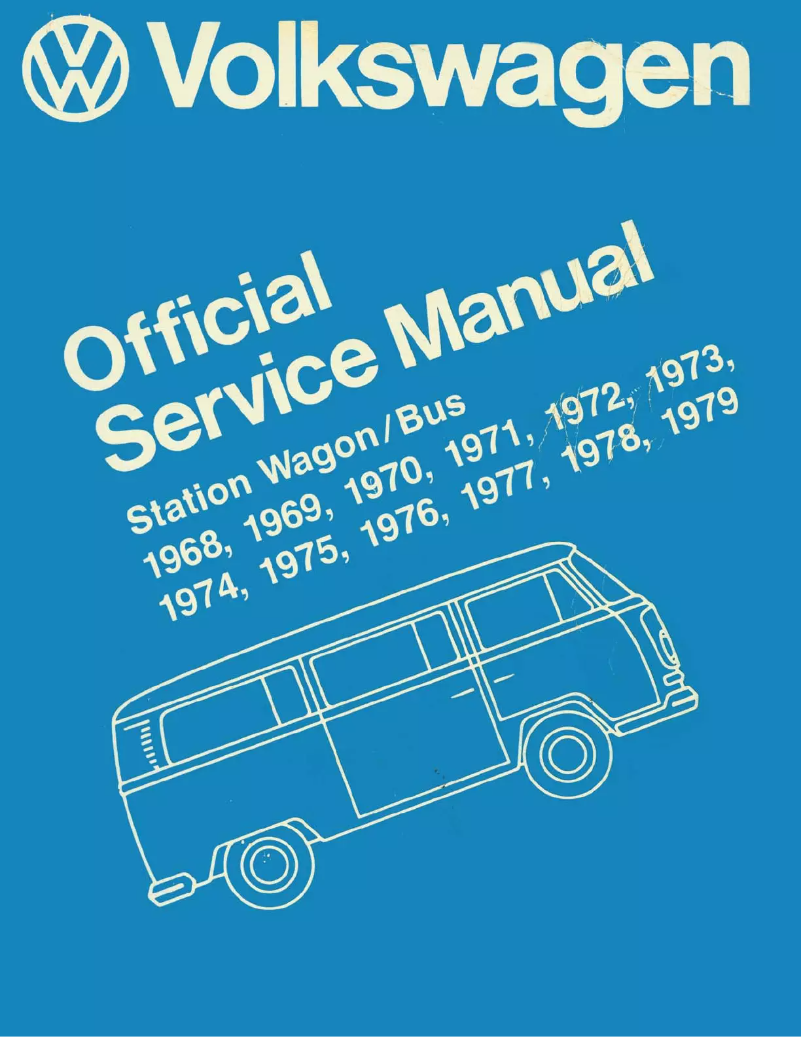
Editorial note
The Volkswagen Bus (1974) is an iconic vehicle that evokes nostalgia for the 70s thanks to its timeless and recognizable design. Its generous interior space makes it an ideal choice for family or friends' trips, thus offering a friendly experience. The reputation of the Volkswagen brand for its durability and the quality of its vehicles ensures appreciable robustness, reinforced by a simple mechanics that facilitates maintenance and repairs, an undeniable asset for classic car enthusiasts. However, this model also presents some notable drawbacks. Its relatively high fuel consumption can lead to higher operating costs, while its highway performance is limited due to modest engine power, making overtaking more difficult. Additionally, the lack of active and passive safety compared to contemporary vehicles raises safety concerns. The limited availability of spare parts and specialized services can also complicate maintenance, and driving comfort is sometimes inferior to that of modern vehicles, due to less effective suspension. Overall, the Volkswagen Bus (1974) charms with its design and retro spirit, while offering a pleasant user experience. However, buyers should be aware of the challenges related to its maintenance and performance. A comprehensive user manual is available, which contributes to good documentation for users.Score details
User experience
The user experience is very pleasant thanks to the generous interior space, ideal for family or friends' trips.
Performance
Highway performance is limited due to the modest engine power, making overtaking more difficult.
Design
The iconic and timeless design of the Volkswagen Bus attracts attention and evokes nostalgia for the 70s.
Value for money
Although fuel consumption is relatively high, the reliability of the Volkswagen brand partly justifies the investment.
repairability
The simple mechanics make maintenance and repairs easier, which is an asset for classic car enthusiasts.
Robustness
Volkswagen's reputation for durability and quality of its vehicles ensures appreciable robustness.
Usability
Although easy to use, driving comfort is lower due to a less efficient suspension, which can make journeys tiring.
Features
The Volkswagen Bus offers many customization options, allowing owners to create a unique vehicle.
Support
The limited availability of spare parts and specialized services can complicate maintenance.
Documentation
A comprehensive 492-page user manual is available, providing good documentation for users.
Advantages
Iconic and nostalgic design from the 70s.
Ideal interior space for group travel.
Recognized reliability of the Volkswagen brand.
Customization with many available accessories.
Simple mechanics for easy maintenance.
Disadvantages
High fuel consumption
Insufficient safety compared to current standards
Limited performance on the highway
Shortage of spare parts
Poor driving comfort
Technical Specifications Bus (1974)
General Information
-
ModelBUS (1974)
-
Brand
-
Category
-
Type
-
SKU96551
-
MPN96551
Frequently Asked Questions
How do I convert miles to kilometers?
How can I locate the VIN number of my Volkswagen?
What is the VIN number?
How often should I have my Volkswagen serviced?
When should I replace the brake fluid in my Volkswagen?
What is the difference between E10 and E5 gasoline?
What should I do if one or more doors do not open from the inside?
My car radio won't turn on, what should I do?
Is the manual for the Volkswagen Bus (1974) available in French?
Similar products


More product categories from brand Volkswagen
More product types from brand Volkswagen


Presentation of product Bus (1974) specifications from brand Volkswagen
General Information
The Volkswagen Bus (1974) embodies the legacy of the Volkswagen brand, known for its innovation and reliability. This iconic model, launched in the 70s, offers a unique combination of retro style and practicality, ensuring a pleasant and memorable driving experience.
This spacious vehicle is ideal for family trips or outings with friends, fostering a friendly atmosphere thanks to its generous interior space. Classic car enthusiasts will also appreciate its simple mechanics, making maintenance and repairs easier.
Advantages
- Iconic design that evokes nostalgia for the 70s and attracts attention.
- Spacious interior, perfect for group getaways.
- Reputation of the brand Volkswagen, ensuring durability and quality.
- Varied customization options, allowing owners to create a vehicle that reflects their personality.
- Accessible mechanics, making maintenance easier for enthusiasts.
Disadvantages
- Relatively high fuel consumption, leading to increased operating costs.
- Lack of modern safety features, both active and passive, compared to contemporary vehicles.
- Limited performance on the highway, due to modest engine power.
- Restricted availability of spare parts and specialized services, making maintenance sometimes complex.
- Inferior driving comfort, with less effective suspension, which can make journeys more tiring.


