
Manual of product Bus (1972)
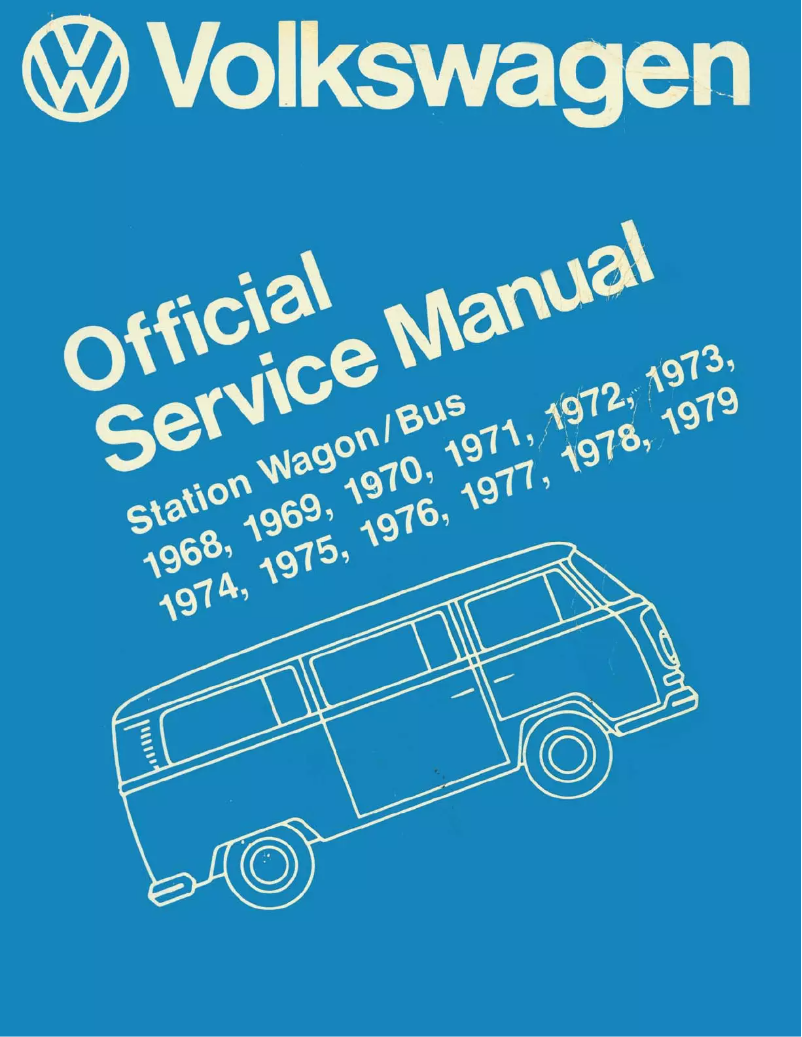
Editorial note
The Volkswagen Bus (1972) is an iconic vehicle that appeals to vintage enthusiasts with its nostalgic design. This model is known for its generous and modular interior space, perfect for group trips or family outings, although the space is limited compared to modern vehicles. In terms of performance, the reliability of the Volkswagen brand ensures a pleasant and safe driving experience. However, it is important to note that fuel consumption is relatively high, which can lead to higher operating costs in the long run. Additionally, the potential for appreciation in the classic car market makes it an interesting investment, despite the challenges related to maintenance and repairs. On the other hand, the period technology of this model involves a lack of modern features, such as air conditioning or navigation systems. The search for specific spare parts can also pose problems, making the maintenance and restoration of the vehicle more complicated. In summary, the Volkswagen Bus (1972) offers a unique experience for classic car enthusiasts, but it is essential to consider its limitations in terms of comfort, consumption, and repairability.Score details
Design
The iconic and nostalgic design of the Volkswagen Bus (1972) attracts vintage enthusiasts, making it an iconic vehicle.
User experience
The generous and modular interior space offers a pleasant experience for group or family trips, although the space is limited compared to contemporary vehicles.
Performance
The reliability of the Volkswagen brand ensures a safe driving experience, but fuel consumption is relatively high compared to modern models.
Value for money
The potential for appreciation in the classic car market makes it an interesting investment, despite higher operating costs and potential mechanical issues.
repairability
The difficulty in finding specific spare parts can complicate the maintenance and restoration of the vehicle, requiring regular attention.
Features
The Volkswagen Bus (1972) features period technology, which means a lack of modern amenities such as air conditioning and navigation systems.
Advantages
Iconic and vintage design
Modular and spacious interior space
Proven reliability of Volkswagen
Customization according to your needs
Good appreciation potential
Disadvantages
High fuel consumption
Outdated technology, lack of modern features
Variable reliability, frequent repairs needed
Limited interior space for comfort
Difficulty finding spare parts
Technical Specifications Bus (1972)
General Information
-
ModelBUS (1972)
-
Brand
-
Category
-
Type
-
SKU96549
-
MPN96549
Frequently Asked Questions
How do I convert miles to kilometers?
Where can I find the VIN number of my Volkswagen?
What is the VIN number?
How often should I have my Volkswagen serviced?
When is it advisable to replace the brake fluid in my Volkswagen?
What is the difference between E10 and E5 gasoline?
What should I do if some doors do not open from the inside?
My car radio won't turn on, what should I do?
Is the manual for the Volkswagen Bus (1972) available in French?
Similar products


More product categories from brand Volkswagen
More product types from brand Volkswagen


Presentation of product Bus (1972) specifications from brand Volkswagen
General Information
The Volkswagen Bus (1972) is an iconic vehicle from the Volkswagen brand, known for its quality and innovations in the automotive sector. This model, which is part of automotive history, offers not only a captivating vintage aesthetic but also satisfactory performance that appeals to classic car enthusiasts.
This bus stands out for its spacious and modular interior, perfect for group travel or family outings. Its unique design and nostalgic look particularly attract vintage enthusiasts. Furthermore, Volkswagen's reputation for reliability contributes to a pleasant and safe driving experience.
Another interesting aspect of the Volkswagen Bus (1972) is its adaptability and customization potential. Owners can modify it according to their desires, thus fostering creativity and originality. Additionally, this model has a strong appreciation potential in the classic car market, making it an attractive investment for collectors.
Advantages and Disadvantages
Advantages
- Iconic and nostalgic design, appreciated by classic car enthusiasts.
- Generous interior space, ideal for group travel.
- Recognized reliability of the brand, ensuring a pleasant drive.
- Customization options, allowing the vehicle to be adapted to individual needs.
- Appreciation potential in the classic car market.
Disadvantages
- Higher fuel consumption compared to modern models, leading to increased operating costs.
- Period technology, with a lack of modern features such as air conditioning or advanced safety devices.
- Variable reliability, with risks of mechanical issues related to its age, requiring regular maintenance.
- Limited interior space compared to contemporary vehicles, which may affect comfort on long trips.
- Difficulty in finding specific spare parts, complicating maintenance and restoration of the vehicle.


