

Manual of product Firebird (1998)
Editorial note
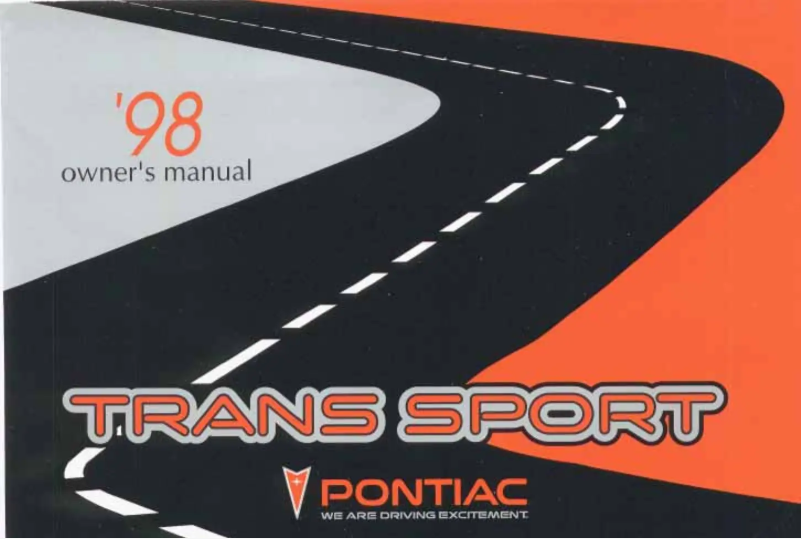
The Pontiac Firebird (1998) is a vehicle that stands out for its iconic and sporty design, undoubtedly attracting attention on the road. Its dynamic look is supported by optimal performance, thanks to a powerful engine that offers a responsive drive. The ergonomic features and well-designed interior enhance driving comfort, although some materials may seem dated compared to current standards. However, it is important to consider a few drawbacks. Fuel consumption is relatively high, which can lead to additional costs, especially in urban areas. Moreover, the comfort of the seats and the quality of the interior materials may not meet the expectations of drivers on long distances. The lack of advanced technological features, such as an integrated navigation system, could disappoint those looking for modern options. Finally, maintenance costs can be high due to the limited availability of parts and the specialization required for repairs. In summary, the Pontiac Firebird (1998) is an attractive choice for car enthusiasts with its distinctive design and solid performance, but it is essential to take into account the operating costs and limitations in technology for a complete driving experience.Score details
Design
The iconic and sporty design of the Pontiac Firebird (1998) attracts attention and makes a statement on the road.
Performance
Performance is optimal thanks to a powerful engine, offering a dynamic and responsive driving experience.
User experience
Driving comfort is enhanced by ergonomic features and a well-designed interior, although some materials may seem dated.
Value for money
Despite an immersive driving experience, relatively high fuel consumption and potentially high maintenance costs can lead to additional expenses.
Features
The lack of advanced technological features, such as an integrated navigation system, may disappoint tech enthusiasts.
repairability
Maintenance costs can be high due to the limited availability of parts and the specialization required for repairs.
Advantages
Sporty and captivating design
Powerful engine for optimal performance
Ergonomic comfort inside
Renowned reliability of Pontiac
Quality audio system
Disadvantages
High fuel consumption.
Outdated seats and interior materials.
Lack of modern technologies.
Limited rear visibility.
Potentially high maintenance costs.
Technical Specifications Firebird (1998)
General Information
-
ModelFIREBIRD (1998)
-
Brand
-
Category
-
Type
-
SKU1569481
-
MPN1569481
Frequently Asked Questions
How can I convert miles to kilometers?
Where can I find the VIN number of my Pontiac?
What is the VIN number?
How often should I have my Pontiac serviced?
When is it recommended to change the brake fluid in my Pontiac?
What is the difference between E10 and E5 gasoline?
What should I do if one or more doors do not open from the inside?
My car radio won't turn on, what should I do?
Is the manual for the Pontiac Firebird (1998) available in French?
Similar products


More product categories from brand Pontiac
More product types from brand Pontiac

Presentation of product Firebird (1998) specifications from brand Pontiac
General Information
The Pontiac Firebird (1998) is an iconic model from the Pontiac brand, known for its commitment to quality and innovation in the automotive sector. This vehicle is designed to deliver exceptional performance and an enriching driving experience.
Advantages
- Iconic design: Its sporty and dynamic appearance attracts attention and ensures a striking presence on the road.
- Optimal performance: Equipped with a powerful engine, the Firebird guarantees a responsive and enjoyable drive.
- Enhanced comfort: Its well-thought-out interior and ergonomic features provide appreciable comfort during journeys.
- Reliability: Supported by a community of enthusiasts, the Pontiac brand is synonymous with durability and reliability.
- Quality audio system: Enjoy an immersive sound experience thanks to modern equipment tailored to drivers' needs.
Disadvantages
- Fuel consumption: The relatively high consumption can lead to additional costs, especially in urban areas.
- Seat comfort: The quality of the interior materials may seem dated compared to current standards, which can affect comfort on long distances.
- Limited technological features: The absence of integrated navigation systems or modern connectivity may disappoint tech enthusiasts.
- Rear visibility: The vehicle's design may limit rear visibility, making parking maneuvers more complex.
- Maintenance costs: Maintenance expenses can be high due to the limited availability of parts and specific needs for repairs.


